TECHNICAL GUIDE TO SKI MASKS
Practical guide to ski and snowboard goggles from A to Z
When temperatures drop, it is a sign that the cold season is approaching. Now is the ideal time to take out your winter equipment and carry out maintenance.
Before the first snow, check the condition of your equipment (waxing of skis/snowboards) and renew your accessories if necessary.
Safety on the slopes is the most crucial aspect, especially for young skiers.
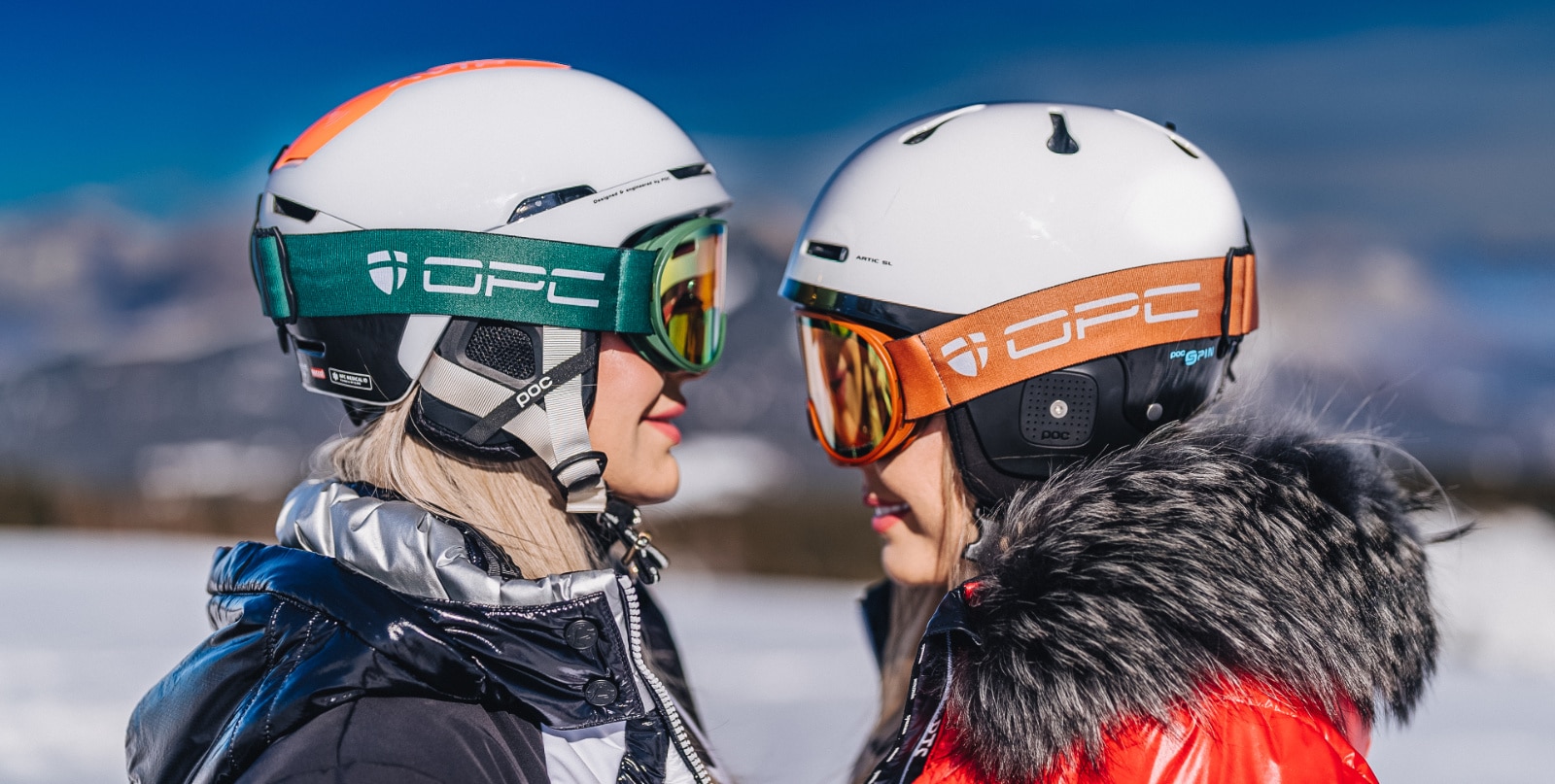
Good preparation is essential for your safety on the slopes; the helmet and ski mask play a leading role.Today, we will focus on these to ensure maximum eye protection during your winter adventures.
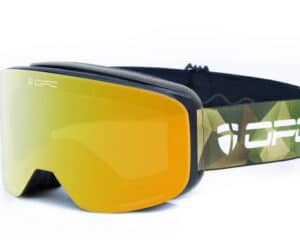
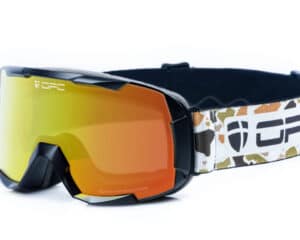
Choosing Goggles
Ski and snowboard masks – how to choose the right ones?
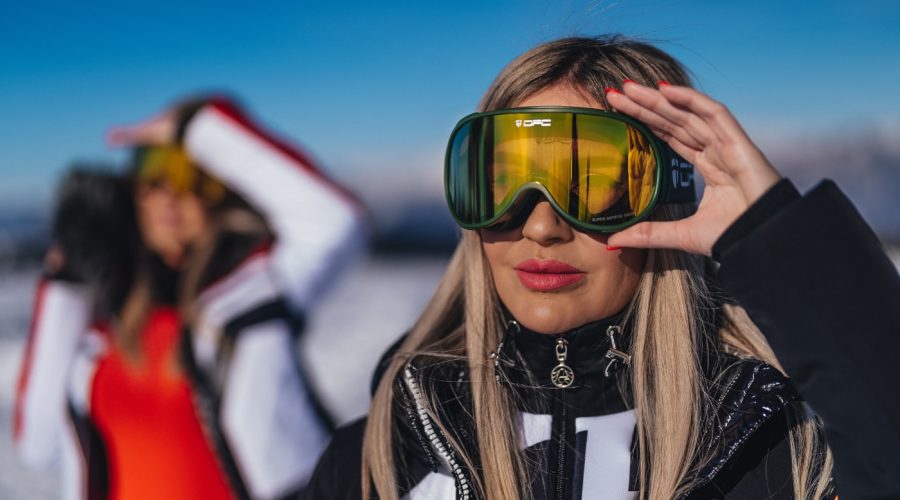
Ski masks are essential for skiing and snowboarding.
They offer complete protection against wind, cold and especially the dazzling light reflected by the snow.
Choosing your ski mask can be complex. To guide you, we have put together essential practical tips for skiing and snowboarding.
Happy reading!
1
Przede wszystkim soczewka i jej rodzaj
The screens or glasses constitute the centerpiece of sliding equipment.
Beyond shape and style, the lens is the most important component of a ski goggle. Type of screen, tints and anti-fog or anti-reflective treatments: we detail everything in the rest of the guide.
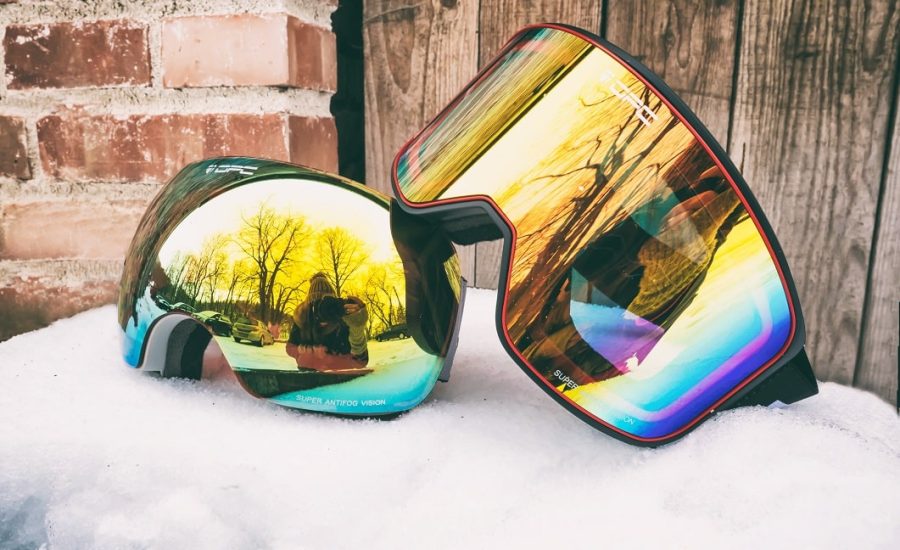
There are mainly two types of ski and snowboard goggles.
Although aesthetics matter, technicality and optical quality must take precedence to ensure the long-term health of your eyes.
Rodzaj Soczewki
Here are our essential recommendations to effectively protect your vision:
cylindrical (flat) screens
curved horizontally and flat vertically,
soczewki sferyczne
are curved horizontally and vertically, offering optimized peripheral vision without distortion,
soczewki toryczne
latest technology, combining the advantages of spherical screens but requiring greater maintenance precautions.
2
Color and tint of ski mask screens
One of the most dangerous factors during winter sports is lack of visibility. Cloudy days, snowfall or dazzling sun are part of everyday life on the slopes.To avoid collisions on the slopes, a suitable ski goggle improves visual clarity and responsiveness.
Choosing your ski mask should not depend on fashion or an assortment of colors, but only on weather conditions.
For your safety, we recommend having several screens adapted to different lighting conditions.
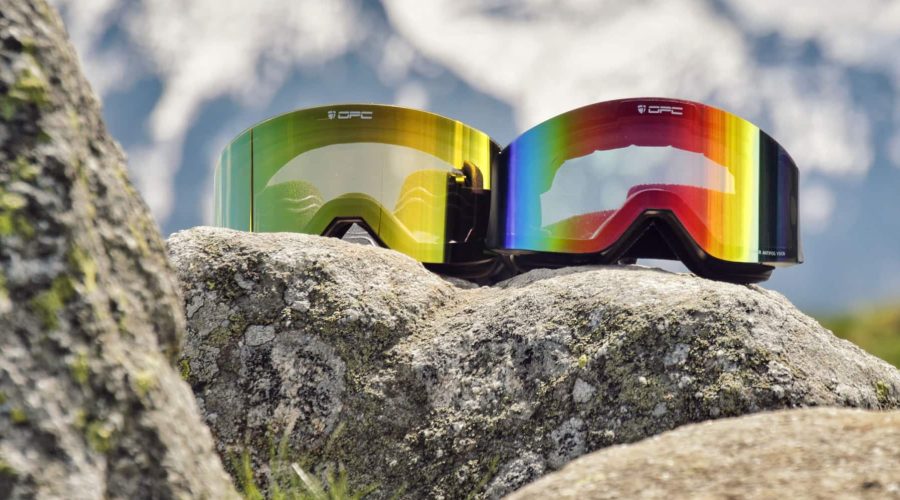
Color and Tint
By classifying the screen color in relation to the conditions on the slopes, we can distinguish four groups:
yellow, transparent or pink screen
night skiing, very heavy fog,
amber, orange or gold screen
very cloudy weather,
soczewka przydymiona, niebieska, czerwona lub zielona
great sun,
black, dark blue or dark brown screen
strong brightness.
3
Light transmission index (VLT) and protection categories
The amount of light transmitted through the lens of the mask is calledVisual Light Transmission (VLT).
The VLT indicates the percentage of light passing through the screen, varying from 0% to 100%.
In low light and poor visibility conditions(for example in snow or fog), good lenses allow a higher VLT rate (around 60-90%) and are generally tinted yellow, pink or blue.
On sunny days, when the glass must not allow too high a light intensity to pass through, the best choice will be a mask with a low VLT screen (5 to 20%) and a dark tint (for example black, gray or gold).
Soczewki o charakterze uniwersalnymsuitable for average or variable sunlight. These screens have a VLT of between 20% and 40%.
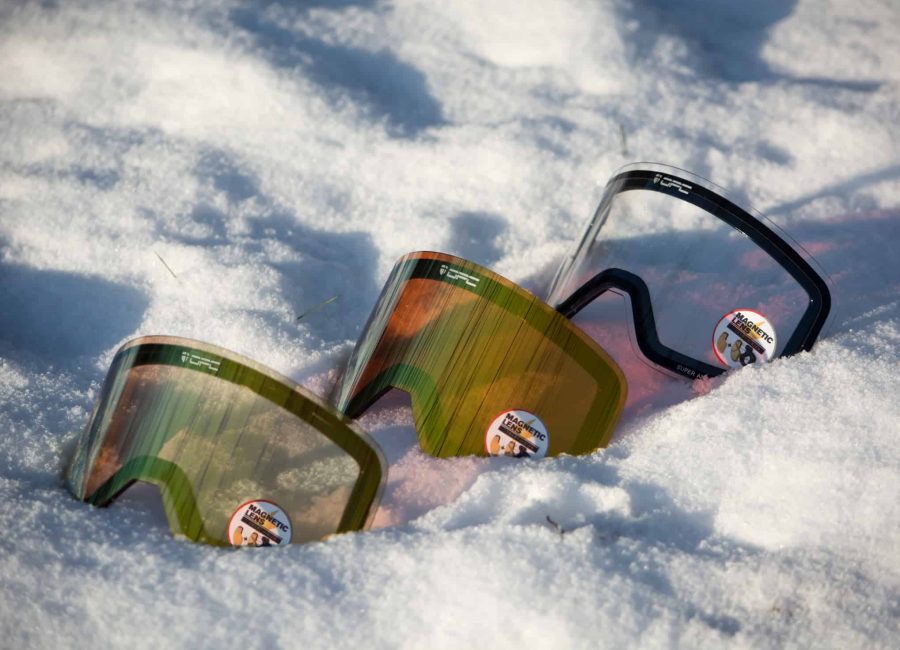
Light transmission
Depending on the time of day and the degree of sunshine, the protective filters are classified according to the criteria of the standardEN174(called protection categories).
There are four main classes of categories:
- S0is dedicated to nighttime or very low light use,
- S1suitable for overcast weather,
- natomiastS2orazS3are adapted to strong sunlight conditions.
Remember the golden rule: the higher the protection category, the lower the light transmission.
4
Ski mask i snowboardowe z wymiennymi soczewkami
It's difficult to be prepared for all weather conditions, especially if you spend entire days on the slopes.
Morning fog, bright sun at midday then artificial lighting at the end of the day: no single screen can offer perfect visibility across all of these variations.
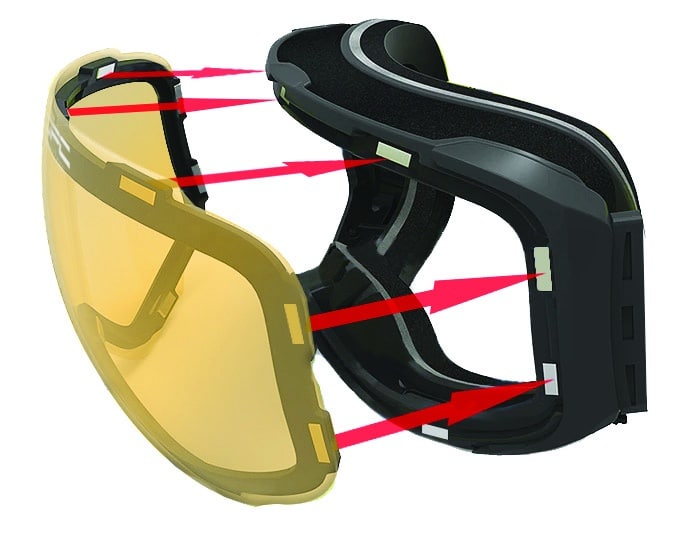
To deal with these changing situations, choose masks with quick interchangeable screens (magnetic or clips).Instant improvement in visual comfort, perfect adaptation of the glass to weather conditions and exceptional comfort. Highly recommended!
5
Snowboard technology
Manufacturers are continually developing new technologies to improve optical comfort. Here are the key innovations to focus on when choosing your ideal mask.
Ochrona przed promieniowaniem UV
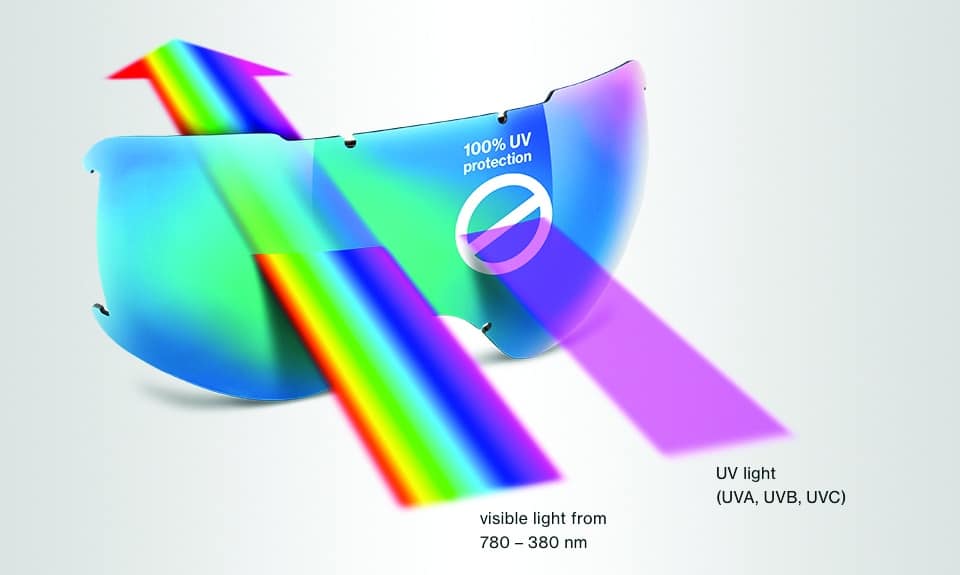
Almost all masks offer 100% UV filtration, essential at altitude because the intensity of the radiation increases with height.
Soczewki lustrzane
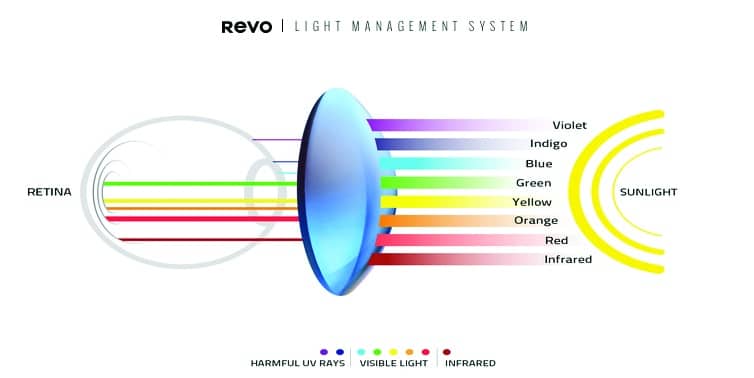
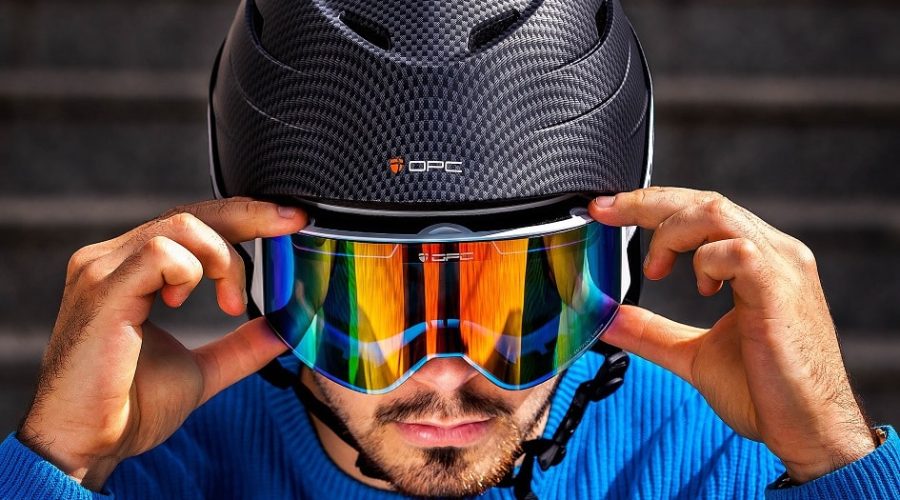
The exterior mirror treatment reflects a greater amount of light than traditional glass. Less incoming light means less glare and better visual clarity in strong sunlight, while providing a unique modern style.
Dual screen
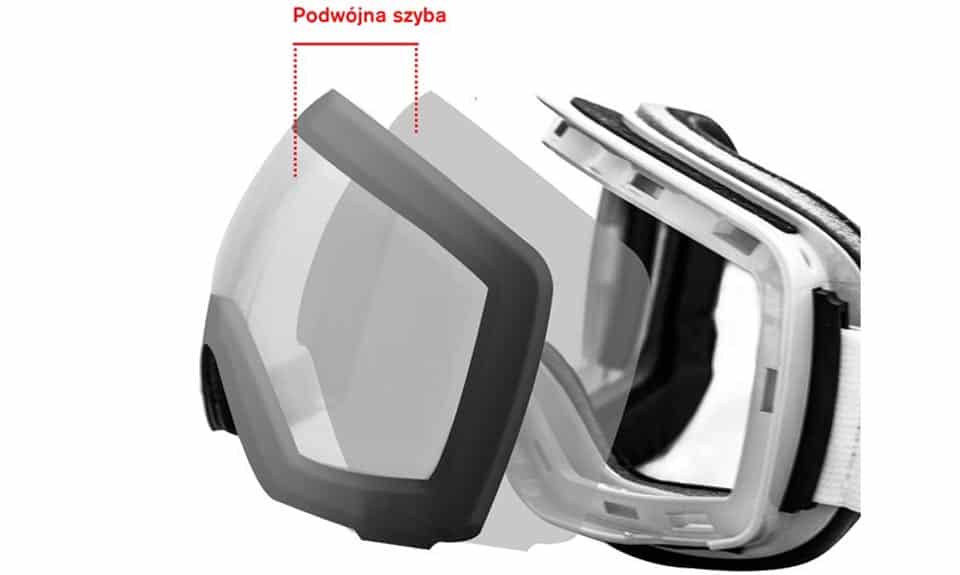
The double shields create a thermal barrier that drastically reduces condensation and fogging.
Anti-fog treatment
The hydrophilic chemical treatment of the inside of the screens (Anti-Fog) considerably reduces fogging. If you choose this option, read the manufacturer's care instructions carefully. Improper maintenance can damage the anti-fog coating.
Soczewki fotochromowe
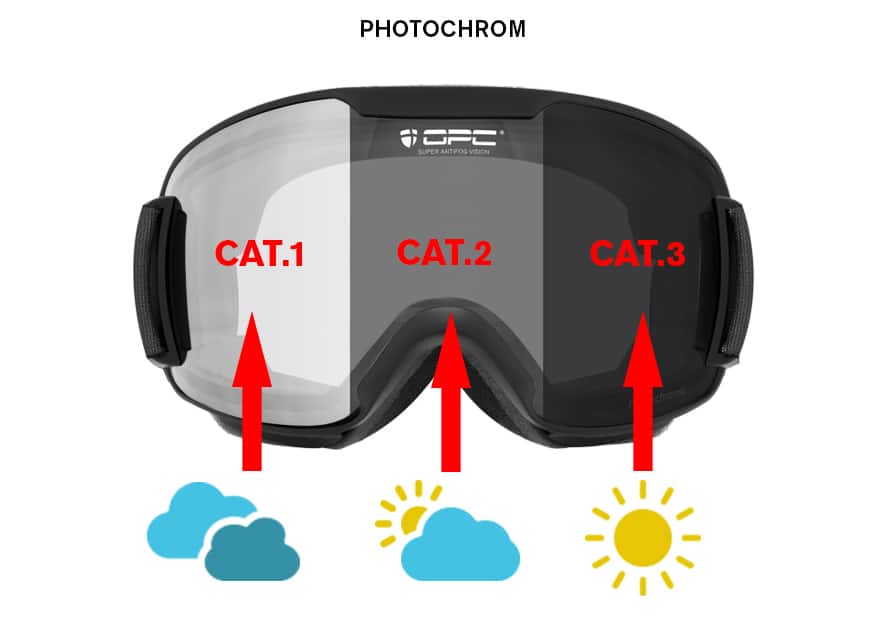
These screens automatically adapt to variations in sunlight, darkening under the effect of UV and brightening on cloudy days. Their main disadvantage lies in the transition time which can take a few minutes.
Soczewki HD™
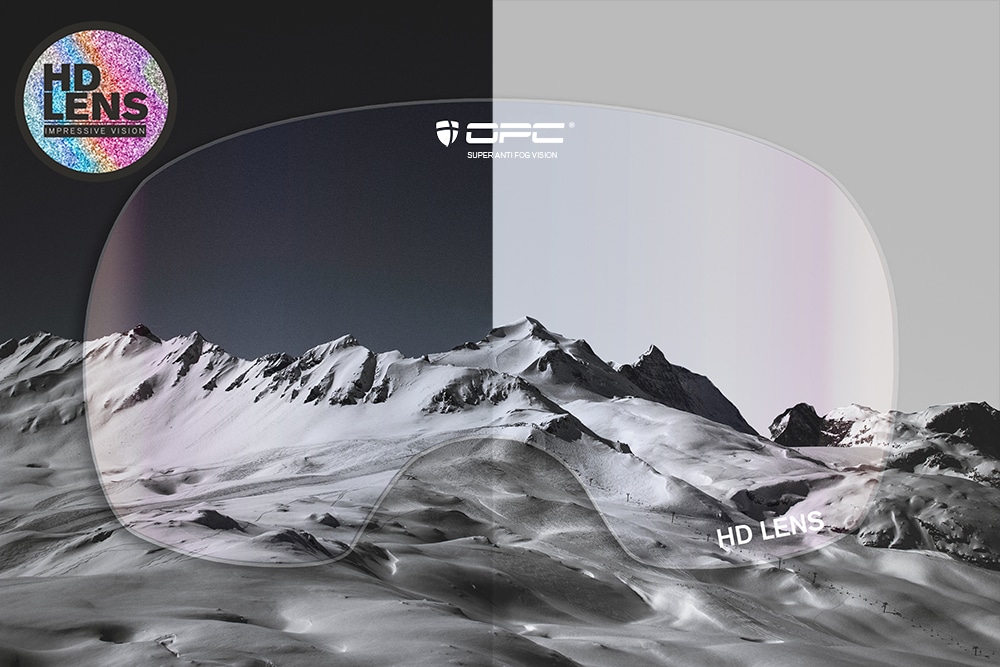
These screens automatically adapt to variations in sunlight, darkening under the effect of UV and brightening on cloudy days. Their main disadvantage lies in the transition time which can take a few minutes.
6
Wentylacja
Effective ventilation through ventilation slots on the frame is essential to prevent mist from depositing on the screen.
Check that the mask ventilation lines up well with your helmet. If the ventilation slots are blocked, fogging will quickly form, compromising your visibility.
7
Rozmiar ramki
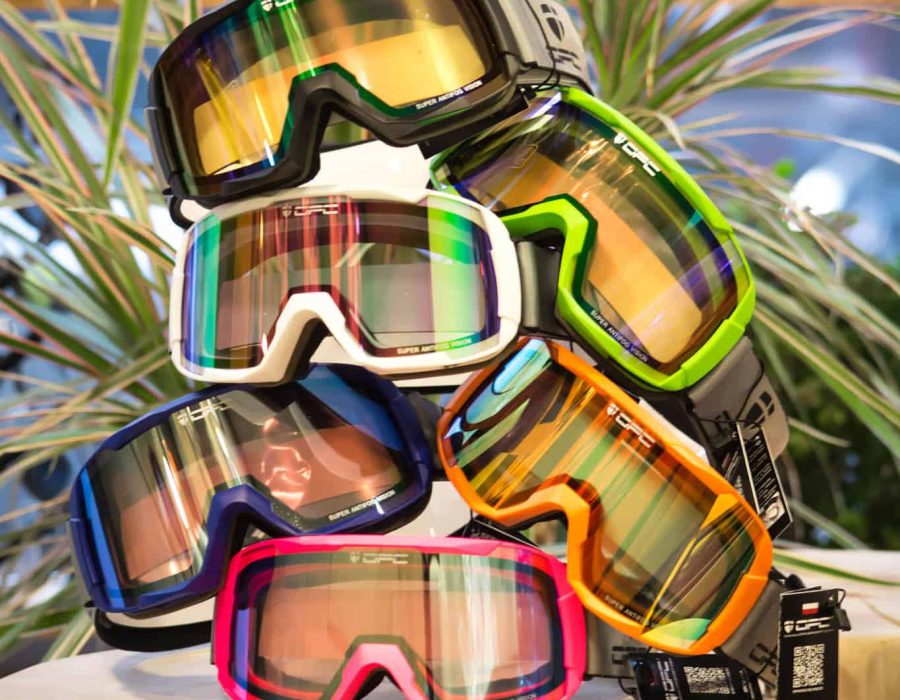
The size of the frame of a ski goggle fulfills ergonomic and aesthetic functions. There are three main size categories.
- Small frame (Small Fit)– ideal size for children and adolescents, or adults with a thin face.
- Medium Fit– universal frame suitable for most body shapes.
- Large Frame (Large Fit)– ideal for oval faces and style-conscious enthusiasts.
A wider frame provides better peripheral vision. However, don't exaggerate: it must be compatible with the shape of your face and your helmet.
8
Ski mask for snowboarding and wearing (OTG)
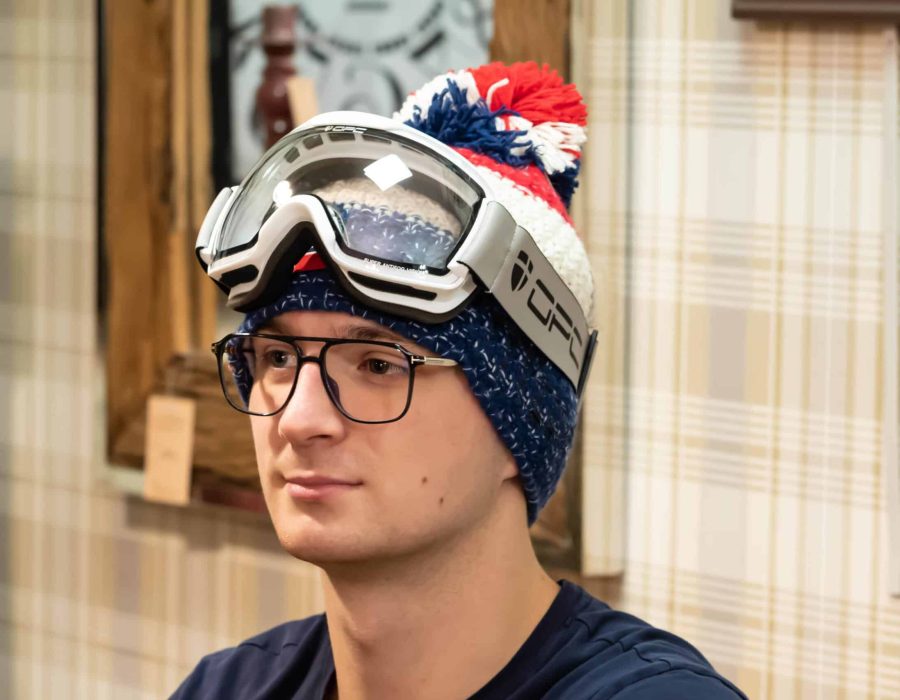
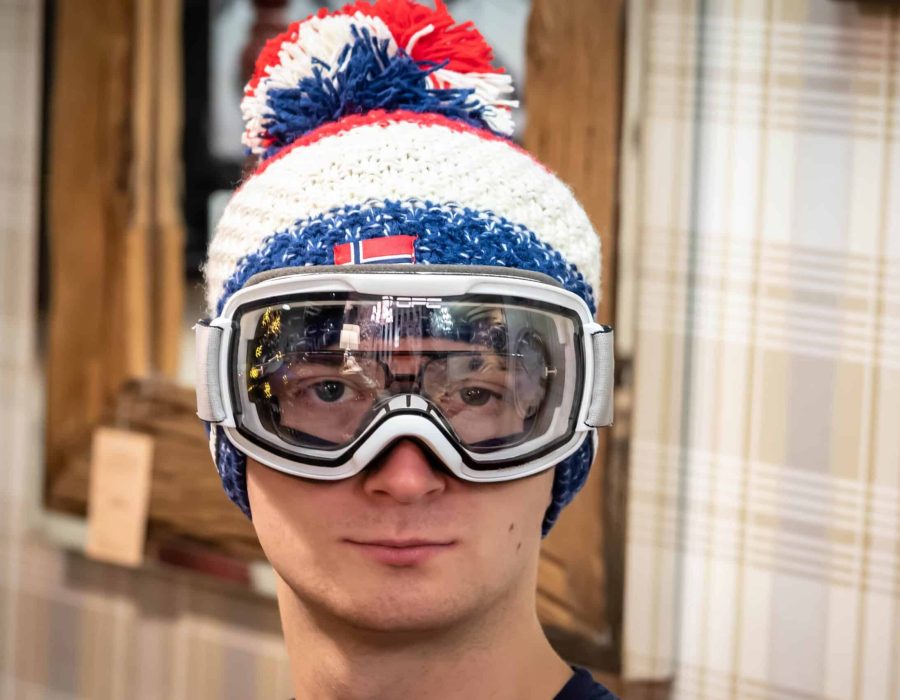
Ski mask i snowboardoweOTGdesigned specifically for eyeglass wearers.
Google OTGare deeper and incorporate channels to allow the temples of your glasses to pass through.
Google OTGshould comfortably encompass your glasses without putting uncomfortable pressure on the temples or nose. It is a very economical and effective solution.
9
Adjusting the mask to individual user preferences
Like all ski equipment, the mask must correspond to your needs, your practice and your face. Besides screen and size, pay attention to:
a comfort foam,designed to fit the contours of the face and guarantee a perfect seal without pressure points,
an adjustable headband or elastic,allowing the tension around the helmet or head to be precisely adjusted,
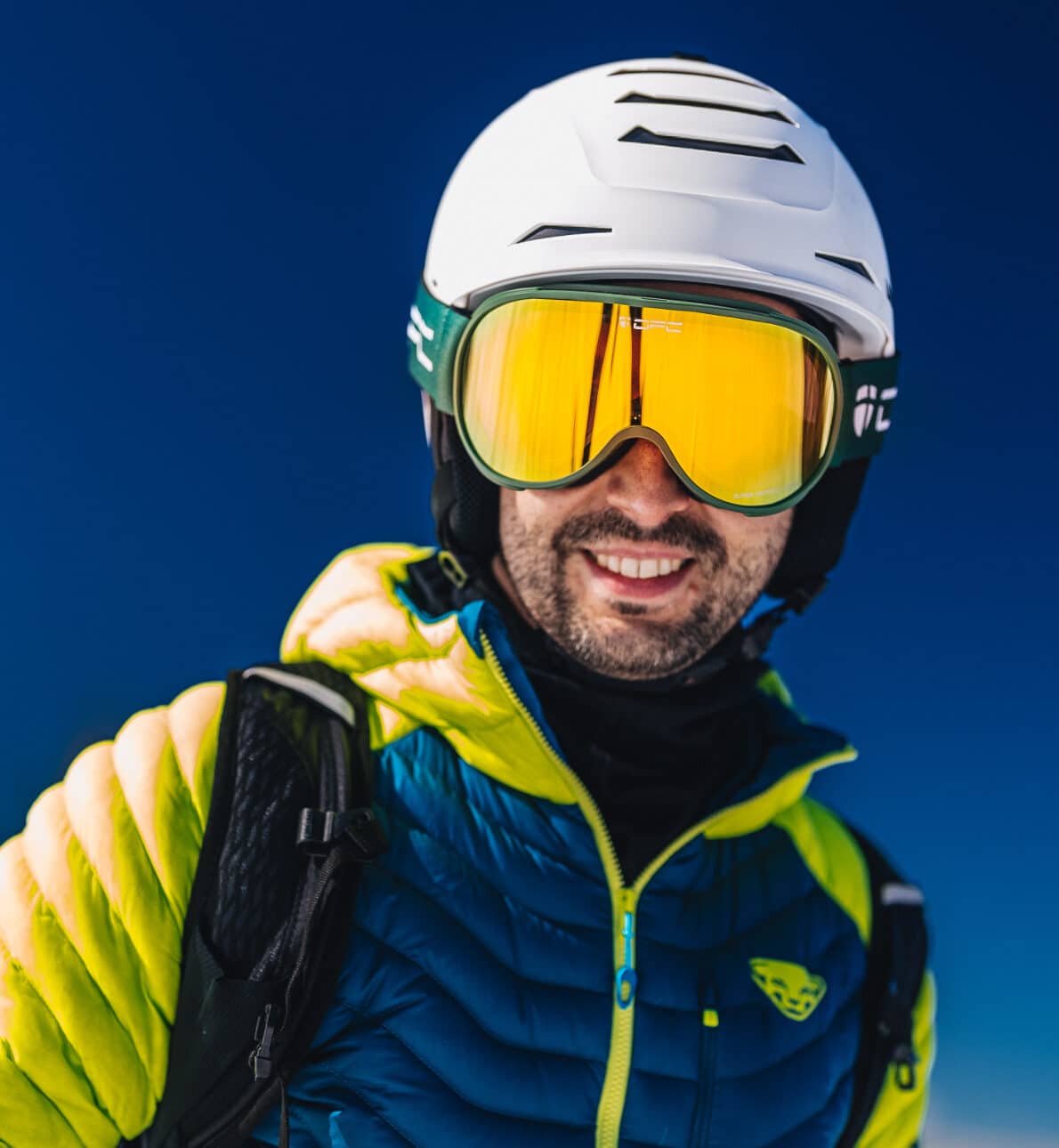
headset compatibility- when checking the fit of the mask, make sure it adheres perfectly to the helmet, this is why compatibility between the two is essential (and vice versa),
the junction between the helmet and the mask– the space between the helmet and the mask lets cold air pass onto the forehead, which is bad for the sinuses; avoid that yawn.
10
Problemy przy wyborze gogli. Jak im zapobiec?
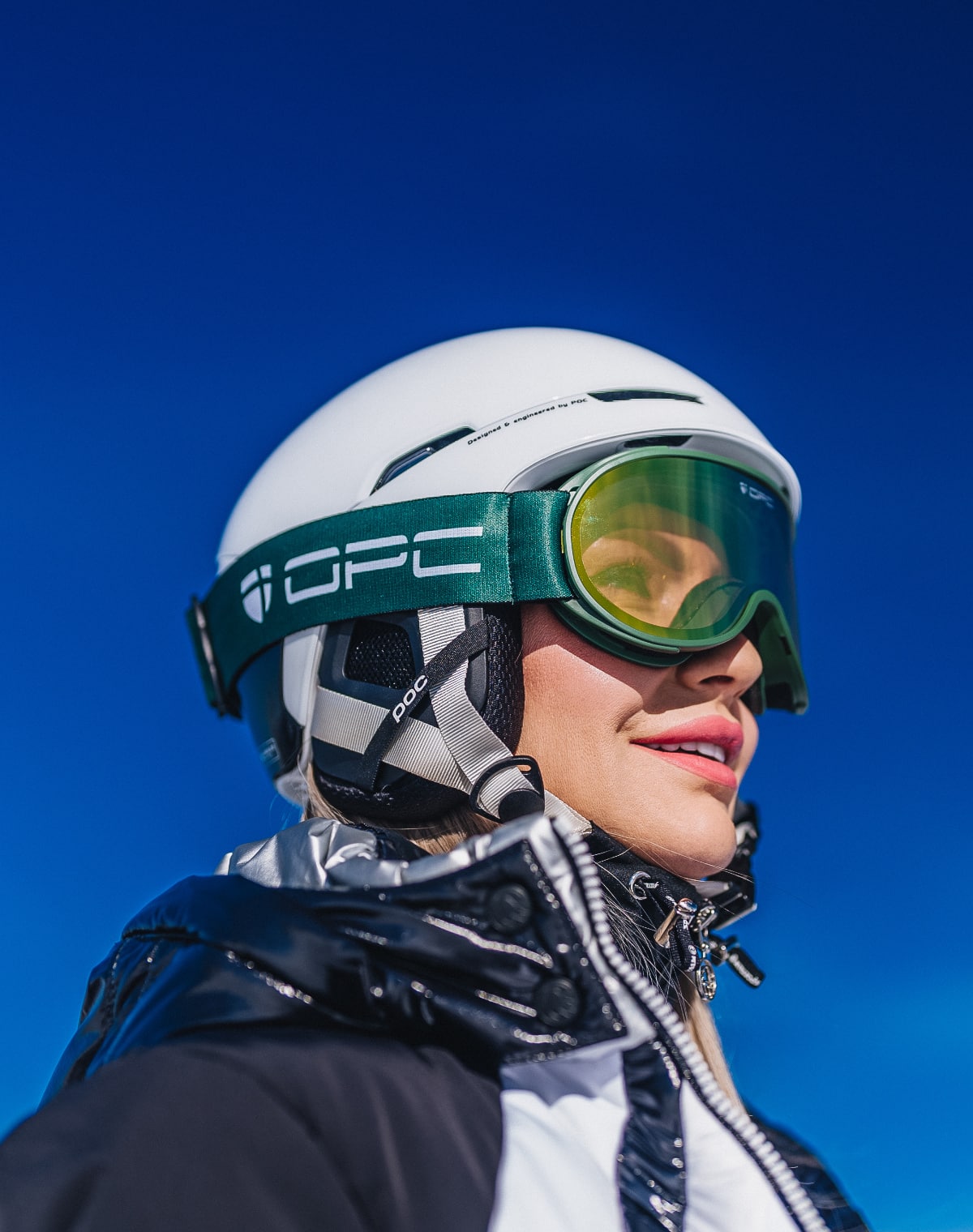
The most common problems encountered by skiers are lack of visibility (see points 1 to 5) and discomfort while sliding.
Discomfort comes from a mask poorly adapted to the shape of the face or from a choice guided solely by aesthetic criteria when purchasing.
Pressure on the eye area– if you feel this type of pressure, the mask is probably too tight. Try a model with a wider frame.
Ucisk na na grzbiecie nosa– try positioning the mask a little higher. If that's not enough, go for a smaller frame.
Luka na grzbiecie nosa– loosen the headband and lower the mask slightly. If the problem persists, look for a model with a wider nose.
Excessive pressure around the head– loosen the headband. If discomfort persists despite a looser adjustment, opt for a mask with a wider headband.
11
Problemy przy wyborze gogli. Jak im zapobiec?
Have you found the ideal mask? Excellent. To extend its lifespan and keep your lenses clear, here are our maintenance tips:
always place the screen mask upwards to avoid scratches,– this will prevent you from scratching or cracking the screen,
gently dab the screen dry (never rub!),(do not rub!) with a soft, anti-fog microfiber cloth (a breathable t-shirt is unfortunately a bad choice),
after each session on the slopes,let the mask dry naturally in the open air,
nie susz gogliin direct sunlight or near a heat source,
gogle przechowujin its soft cover and its hard case.
Choosing the right ski mask requires particular attention to its compatibility with your helmet and its characteristics.The perfect “mask – helmet” duo ensures safety and comfort during your long days of skiing on the slopes.
Ostatnia porada– avoid entry-level products of questionable quality. Trust the specialists in sports optics and protection.
Technologies and rules of correct use
Technology w naszych goglach zimowych
POLYCARBONATE
Soczewski:Extremely lightweight material, resistant to scratches and mechanical damage, ensuring exceptional optical clarity.
Oprawki:High hardness material, renowned for its thermoplasticity, lightness and impact resistance.
SOCZEWKA Z PHOTOCHROMEM
Photochromic lenses darken under the effect of UV rays and lighten in the shade or indoors, adapting protection in real time to sunlight.
SOCZEWKA Z HD
HD contrast lenses enrich colors, accentuate details and improve visual clarity by adapting vision to the environment.
MAGNETIC LENS
Ultra-fast magnetic lens change to instantly adapt to the weather, combined with a rimless design providing a panoramic field of vision.
OTG / GLASSES COMPATIBLE
Specific cut of the foam (OTG system - Over The Glass) offering the space necessary to wear your glasses underneath.
REVOcare MIRROR TREATMENT
Technology composed of 14 layers of protection applied to the screen to block UV rays and limit overheating.
- mirrored glasses intensely reflect light, ideal for highly reverberant surfaces like water and snow
- hides the wearer's eyes behind a mirror effect
HYDROPHOBIC / WATER-REPELLENT TREATMENT
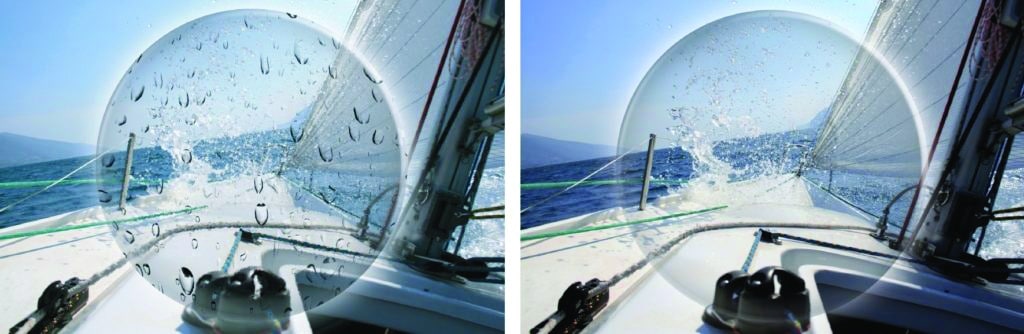
Treatment acting like an invisible windshield wiper. It prevents water from adhering to the screen, causing it to slide off instantly.
UV 400
Provides protection against harmful UV rays (UVA, UVB, UVC).
- UV-A– the most widespread and harmful. Excessive exposure can cause vision problems and accelerate the aging of the thin skin around the eyes by damaging collagen.
- UV-B– stimulates the production of vitamin D. However, excess can cause sunburn and allergic reactions.
- UV-C– absorbed almost entirely by the ozone layer. However, brief exposure can irreparably damage your eyes.
SUPER ANTI-FOG
Specific coating ensuring effective protection against fogging.
TRIPLE THICKNESS FOAM
The hypoallergenic triple-layer foams ensure perfect ergonomics, optimal moisture absorption and effective ventilation.
AIRcare
Effective ventilation system to expel humidity.
HIGH VIEV CONTRAST SYSTEM (HVC)
Technology allowing excellent contrast and faithful color reproduction.
SUPREME ADAPT
The system offsets the bindings to the outside for perfect compatibility without painful points of support on the skull.
DOUBLE GLASS
Double high-performance anti-fog screen.
SILICON
The elastic headband incorporates 1 to 3 silicone bands for a perfect fit on the helmet.
FLEXY SOLUTION
Ultra-soft and flexible TPEE frame ensuring exceptional comfort and resistance for children.
KATEGORIA SOCZEWKI
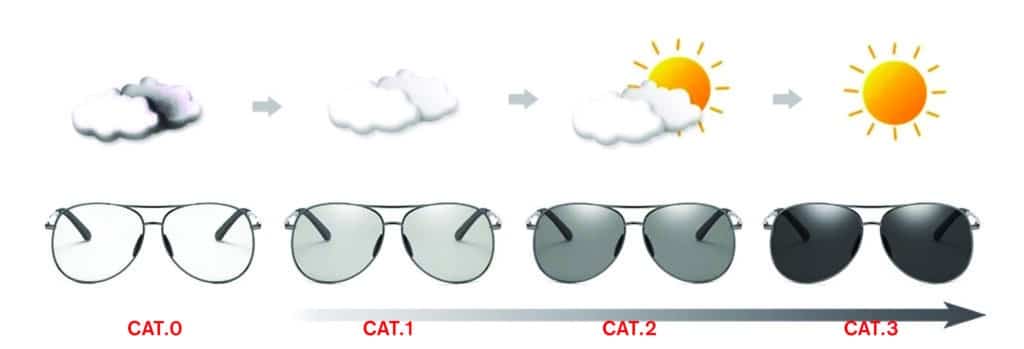
Filter categories are defined according to safety standard EN 174:
Cat.1– light transmission from 43% to 80%. Recommended for very cloudy weather or for lit night skiing.
Cat.2– light transmission from 18% to 43%. Recommended for sunny weather with cloudy periods.
Cat.3– light transmission from 8% to 18%. Recommended for strong sunshine without clouds.
- The ski mask should be stored in a hard case
- To clean your mask, only use the microfiber cloth provided for this purpose.
- If the mask has a REVO (mirror effect) treatment, remember that this layer is very sensitive to scratches and abrasion. It must be handled with care.
- Masks with REVO coating should not be immersed in water. Water (especially salty or chlorinated) damages the components, especially the REVO mirror treatment. As they evaporate, the chlorine and salt crystallize, creating micro-scratches that destroy the mirror layer.
- The REVO mirror treatment is sensitive to sand and gravel which can penetrate the frame and scratch the screen when cleaning.
- Mask screens are sensitive to extreme temperatures (above 50°C). Leaving them in an overheated place (like a car in direct sunlight) can cause them to warp.
- Scratches and alterations to the mirror treatment due to poor maintenance are not covered by the warranty.
- Any mechanical modification of the mask, such as its widening or forced deformation, voids the warranty.
- The mask should be worn only to protect the eyes from sun, wind and snow. It was not intended as a headband or flame protection.
- The mask is not suitable for direct observation of the sun or protection from artificial light (such as in a solarium).
- The ski mask is not intended for use while driving.